India is a country of many languages, religions, traditions and cultures. From the Himalayas to the southern coast, from large cities to small villages, people may live differently, celebrate differently and speak differently.
But there is one thing that connects us all – our humanity.
Organ donation is one such message that can cross every cultural and social boundary. An organ donated by one person can give another person the opportunity to live, regardless of their language, religion, region or background.
Beyond Religion and Culture
People sometimes hesitate to talk about organ donation because of questions about religious beliefs, funeral traditions or what happens to the body after death.
These questions deserve respect—not dismissal.
The answer is not to tell every community to think in exactly the same way. Instead, we should encourage informed conversations with trusted doctors, community leaders and appropriate religious authorities, while sharing accurate information about the donation process.
The central message can remain simple: A human life is valuable, whoever the person is.
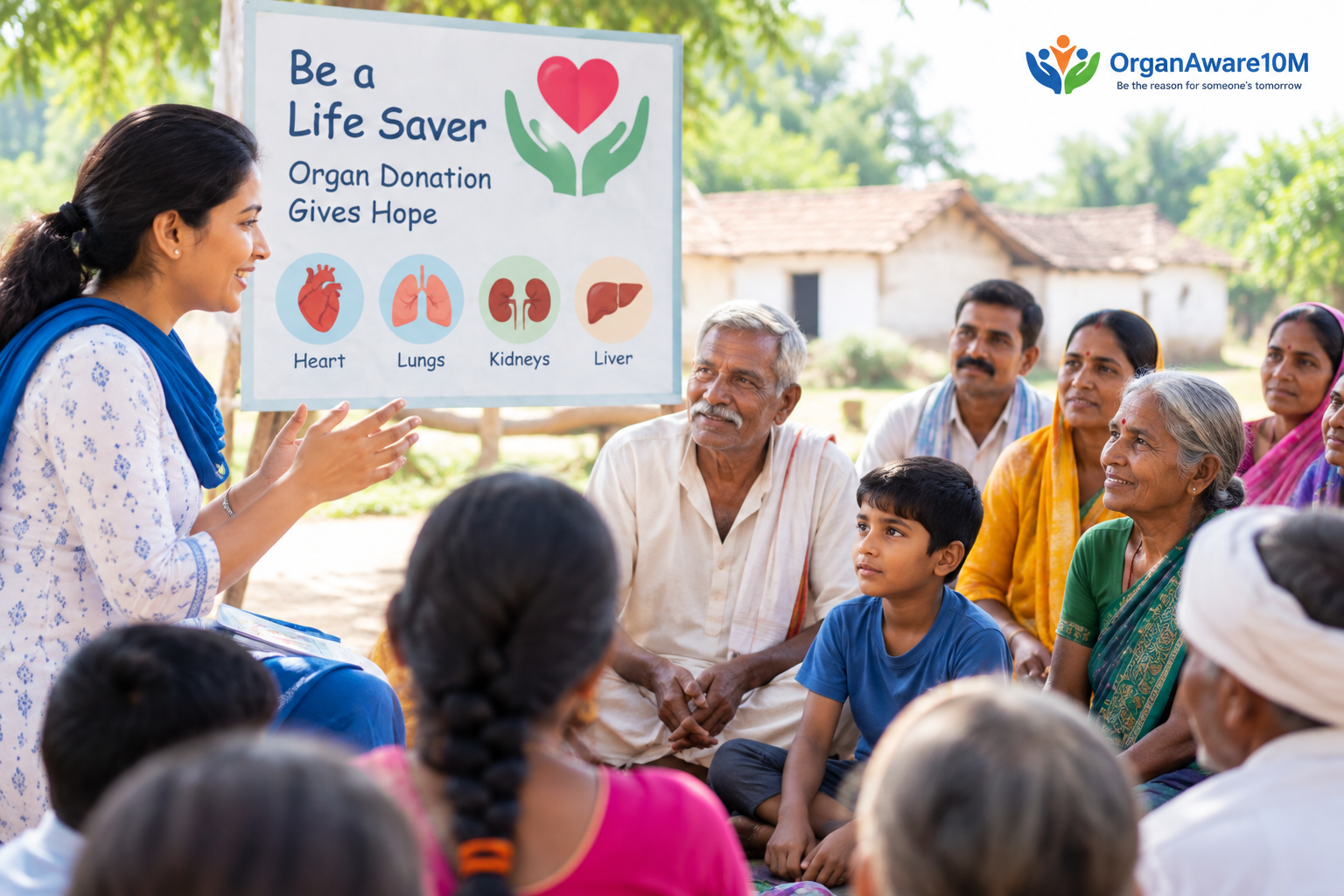
Speak the Language People Understand
India cannot be reached through one language or one style of communication.
An awareness message in Hindi may reach millions. A message in Bengali, Tamil, Marathi, Telugu, Malayalam, Punjabi, Kannada, Gujarati, Assamese or another local language can reach people in a much more personal way.
The message does not have to change. The way we tell the story can.
A doctor can explain the medical facts. A donor family can share their experience. A religious or community leader can address questions within their community. A young person can spread the message through Instagram and WhatsApp.
Everyone can have a role.
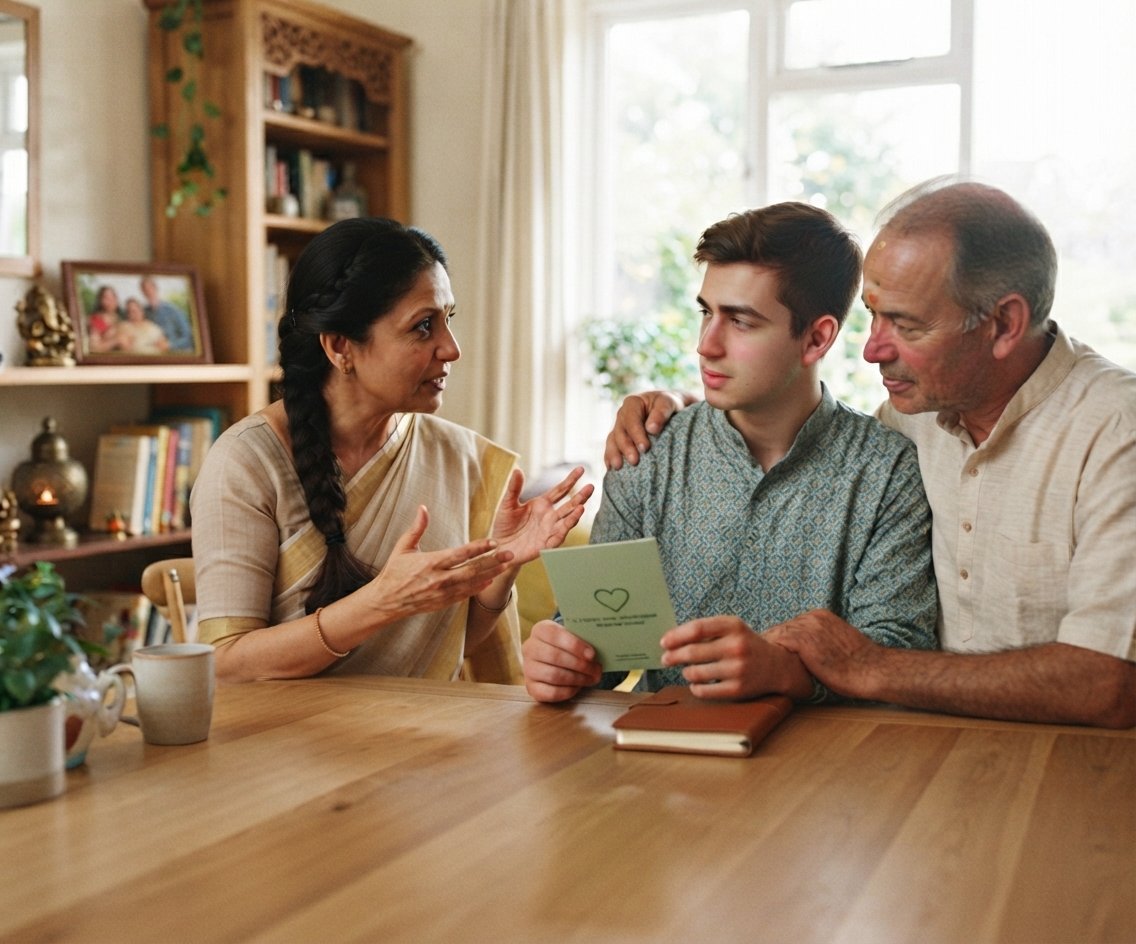
Start With the Family
One of the most important conversations about organ donation does not happen on a stage or on social media.
It happens at home. If someone decides that they want to donate their organs after death, their family should know about that decision. Talking about it beforehand can help families understand the person’s wishes and make an informed decision when the time comes.
So the message should not simply be: “Donate your organs.” It should also be: “Talk to your family about your decision.”
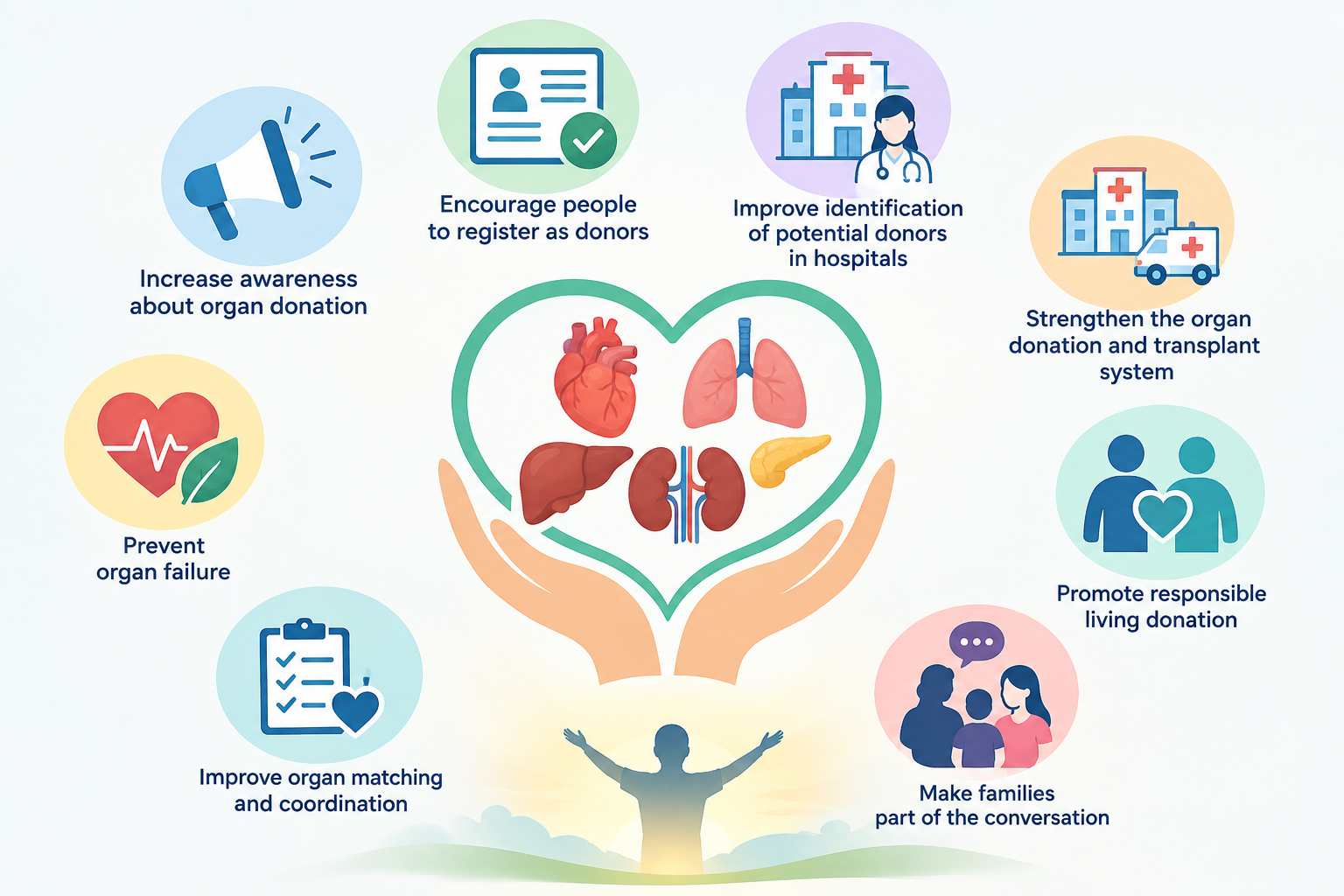
From Awareness to Action
Awareness becomes meaningful when people have reliable information and know where to go for the official process.
Campaigns should therefore direct people to authorised government information and registration channels rather than unofficial forms or unverified claims.
But registration is only one part of the journey.
The bigger goal is to create a culture where talking about organ donation becomes normal—just like talking about blood donation.
Every conversation can help remove one misconception. Every conversation can help someone understand the value of giving.