Imagine a village where a family is waiting for a loved one to receive an organ transplant, while another family nearby has never heard that organ donation could save lives. The difference may simply be a lack of awareness.
Organ donation is a message of humanity, hope and compassion. For this message to reach every Indian, it must travel beyond cities and hospitals into the heart of rural communities.
Why Rural Awareness Matters
Many people in rural India may have limited access to reliable information about organ donation. Misconceptions about religion, age, brain death and funeral practices can create fear and hesitation.
The problem is not always a lack of willingness to help, but a lack of awareness.
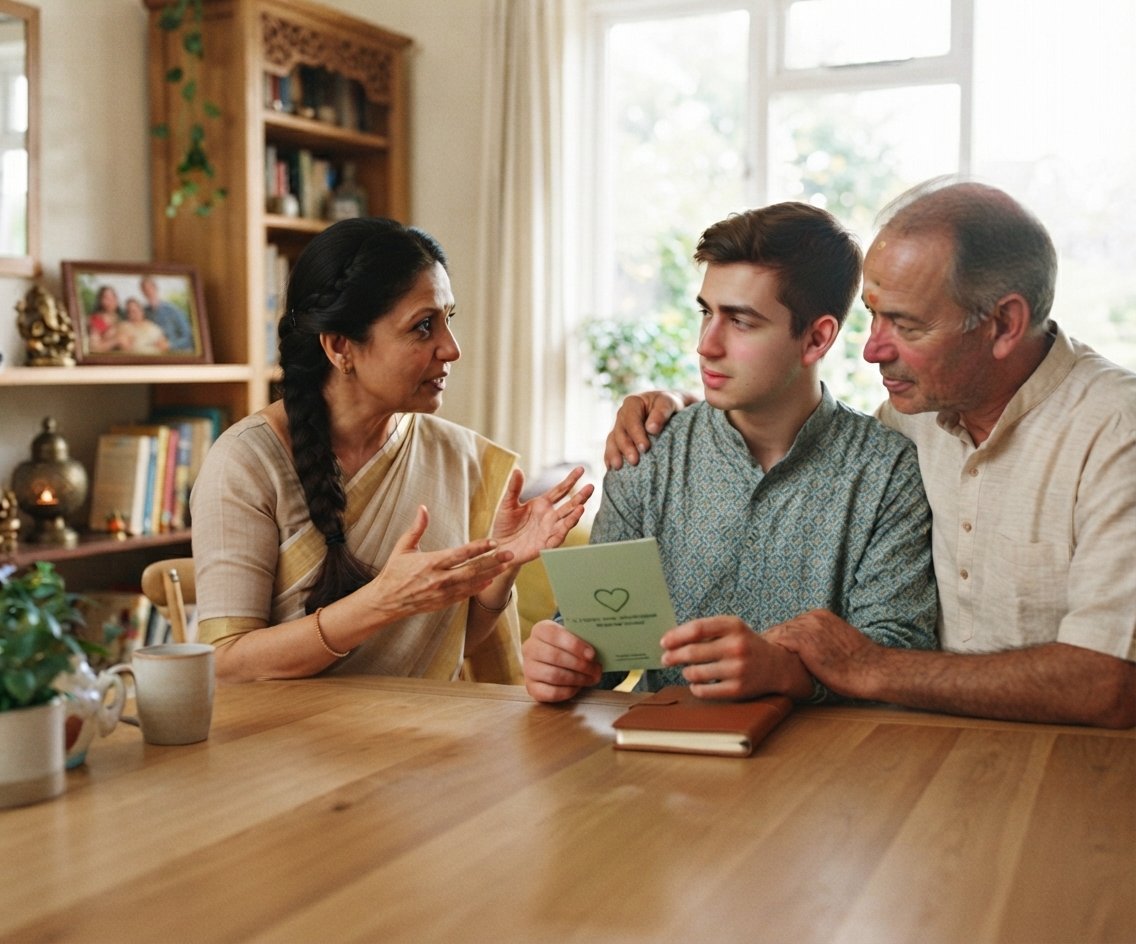
When people receive the right information in a language they understand, they can make informed decisions and discuss their wishes with their families.
Taking Awareness to Every Village
Organ donation awareness should reach people where they live, learn and gather.
Use local languages: Simple messages, illustrated leaflets and short videos can explain organ donation clearly.
Involve trusted people: Doctors, teachers, ASHA workers, community leaders and social workers can help answer questions.
Organize village meetings: Local health centers, schools, community halls and panchayat gatherings can become platforms for awareness.
Engage young people: Students can take the message home and encourage family conversations.
Use digital platforms: WhatsApp, community radio and regional-language videos can spread accurate information to more people.
Even a small awareness meeting can encourage families to discuss a subject they may never have considered before.
Breaking Myths with Facts
People may wonder whether older adults can donate, whether donation affects funeral rites or whether their religion permits it.
These concerns deserve respectful and accurate answers. Medical suitability is assessed individually, and age alone does not automatically rule out donation. Organ donation can also be compatible with respectful funeral practices.
A donor pledge expresses a person’s wishes, but actual donation depends on medical suitability and the applicable legal and consent procedures.
Open conversations can replace fear with understanding and help families make informed choices.
Every Volunteer Can Make a Difference
Lions Clubs, NGOs, schools, colleges and healthcare organizations can work together to build awareness across rural India.
Imagine every participating village having a trained organ donation awareness volunteer who shares verified information, organizes discussions and guides interested people towards official resources such as NOTTO.
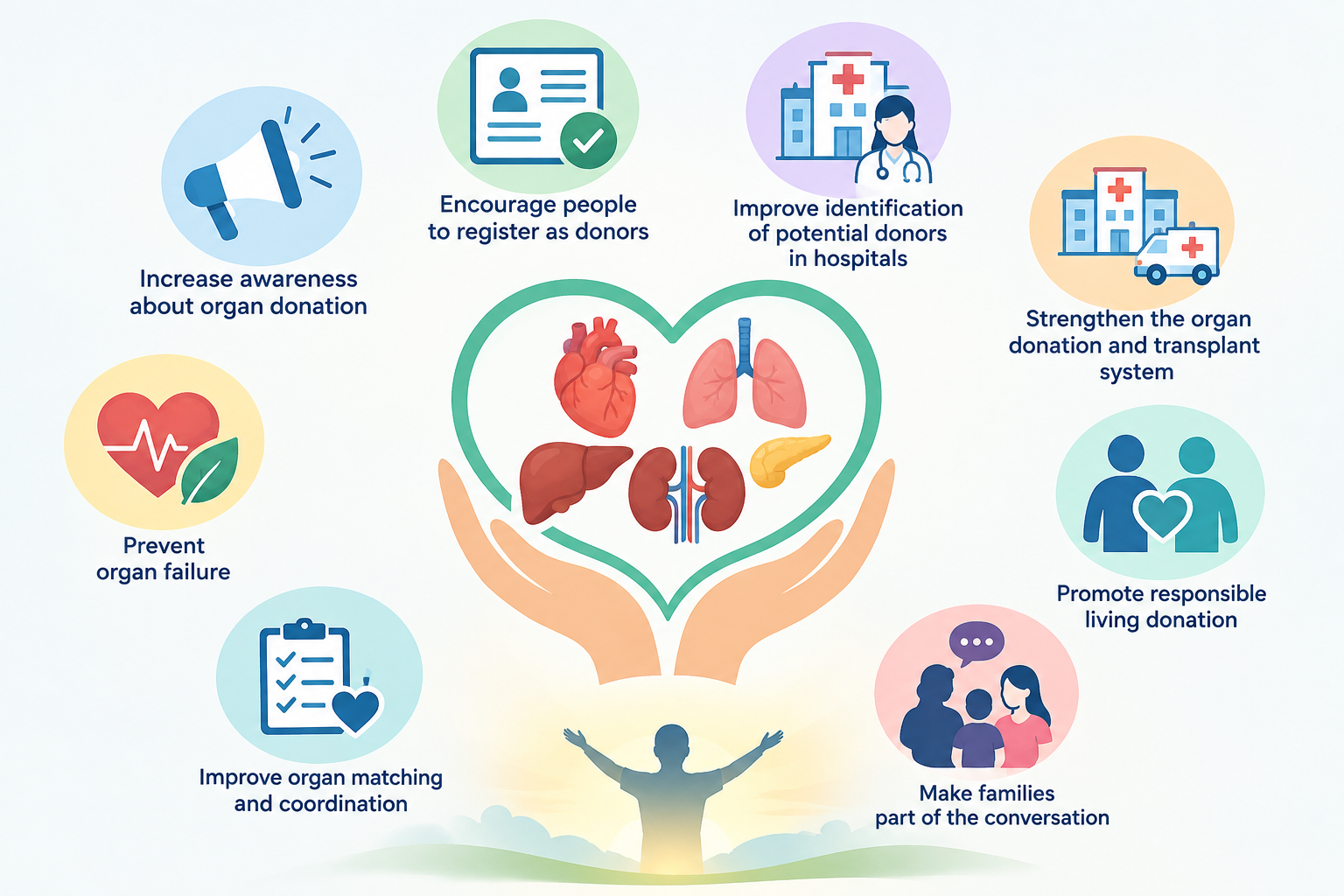
The goal is not merely to collect pledges. It is to build trust, encourage family conversations and help people understand how organ donation works.
Let No Village Be Left Behind
Organ donation awareness should not be limited by geography, language, education or background. Every community deserves access to reliable information and the opportunity to participate in this life-saving movement.
A teacher can start a conversation. A student can educate a family. A volunteer can clear a misconception. A simple discussion can inspire someone to make an informed decision.
At OrganAware10M, we believe that awareness is the first step towards saving lives.
Let us take the message from cities to villages, from community gatherings to family homes, and from one conversation to thousands more.