Thousands of people around the world are waiting for an organ transplant. The demand for organs continues to be much greater than the available supply. Closing this gap requires action from governments, hospitals, healthcare professionals, communities and individuals.
1. Increase Awareness About Organ Donation
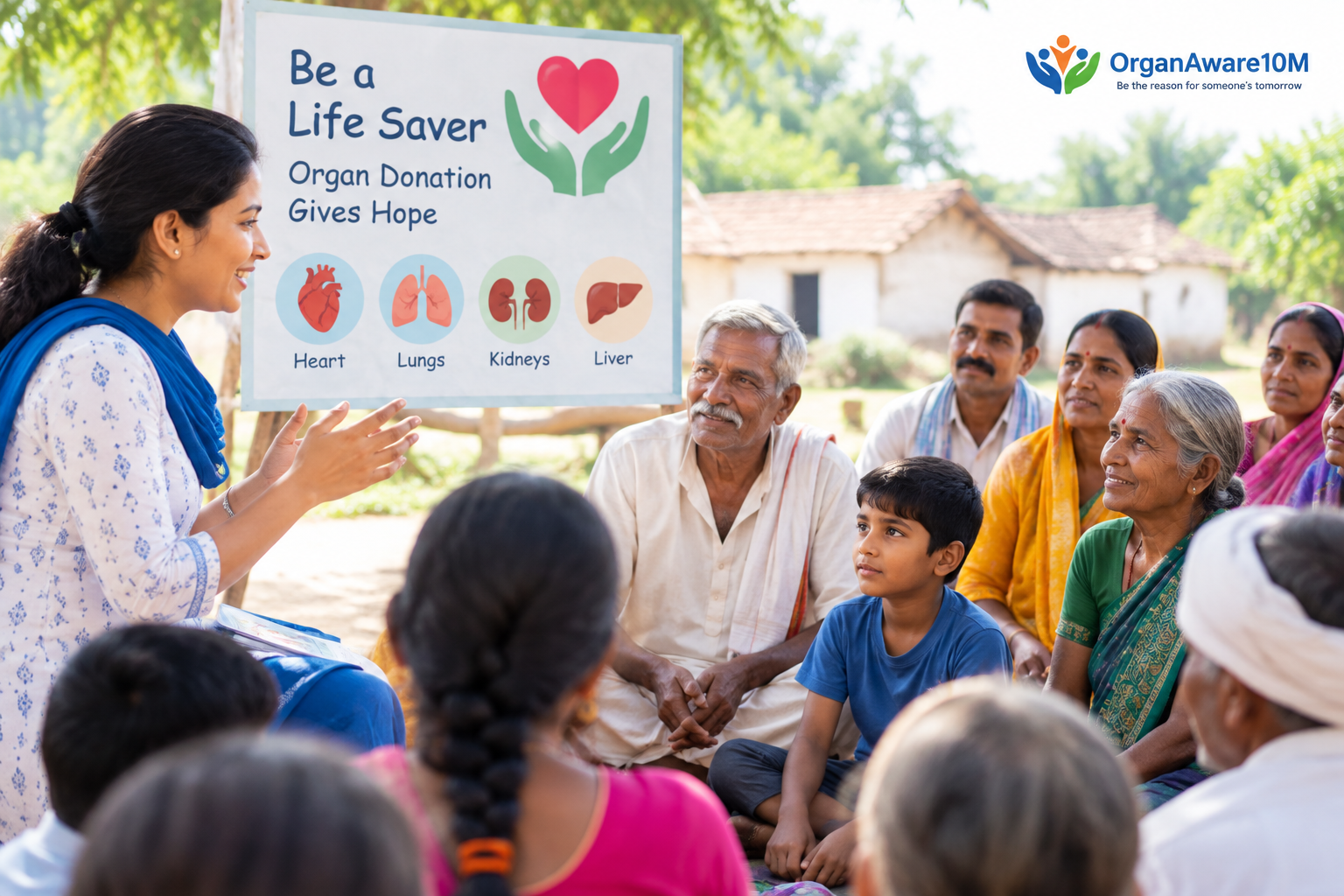
Lack of awareness and misinformation remain important barriers to donation. Public campaigns should clearly explain what organ donation is, who can donate, how donation works and how it can save lives.
Awareness should reach people through schools, workplaces, hospitals, social media, community organizations and public campaigns
2. Encourage People to Register as Donors
People should be encouraged to make an informed decision about organ donation and register through the official donation system in their country.
Registration is important, but equally important is telling family members about the decision so they understand the person’s wishes.
3. Improve Identification of Potential Donors in Hospitals
A major opportunity can be lost when potential donors are not identified or referred in time.
Hospitals need trained donation teams and clear protocols to identify suitable donors, support families and coordinate organ retrieval with transplant authorities.
4. Strengthen the Organ Donation and Transplant System
Increasing donation requires a strong healthcare system.
Governments and healthcare institutions need to invest in:
- Trained transplant and donation professionals
- Intensive-care and donor-management facilities
- Organ retrieval and preservation
- Fast and safe transportation
- Efficient transplant coordination
- More transplant centers where needed
An organ can save a life only when the system is ready to use it safely and efficiently.
5. Promote Responsible Living Donation
Living donation can provide another source of organs for suitable patients. However, it must always be based on voluntary, informed consent, with the health and safety of the donor protected.
Strong safeguards are essential to prevent coercion, exploitation and commercialisation.
6. Make Families Part of the Conversation
Families play a crucial role in the donation process. People should discuss their wishes with their loved ones before a crisis occurs.
A simple family conversation can help ensure that a person’s decision about donation is understood and respected.
7. Improve Organ Matching and Coordination
Once an organ becomes available, there is limited time to transplant it.
Efficient national and regional systems for donor identification, matching, allocation, transportation and transplantation can help ensure that donated organs are used effectively and that fewer opportunities are lost.
8. Prevent Organ Failure
The best way to reduce the number of people needing transplants is to prevent or delay severe organ disease.
Better prevention, early diagnosis and treatment of conditions such as diabetes, high blood pressure, heart disease, kidney disease and liver disease can reduce the future demand for transplantation.
A Shared Responsibility
There is no single solution to the organ shortage. The greatest impact will come from combining public awareness, donor registration, family discussions, stronger hospital systems, responsible living donation, efficient coordination and disease prevention.
Every informed decision can make a difference.