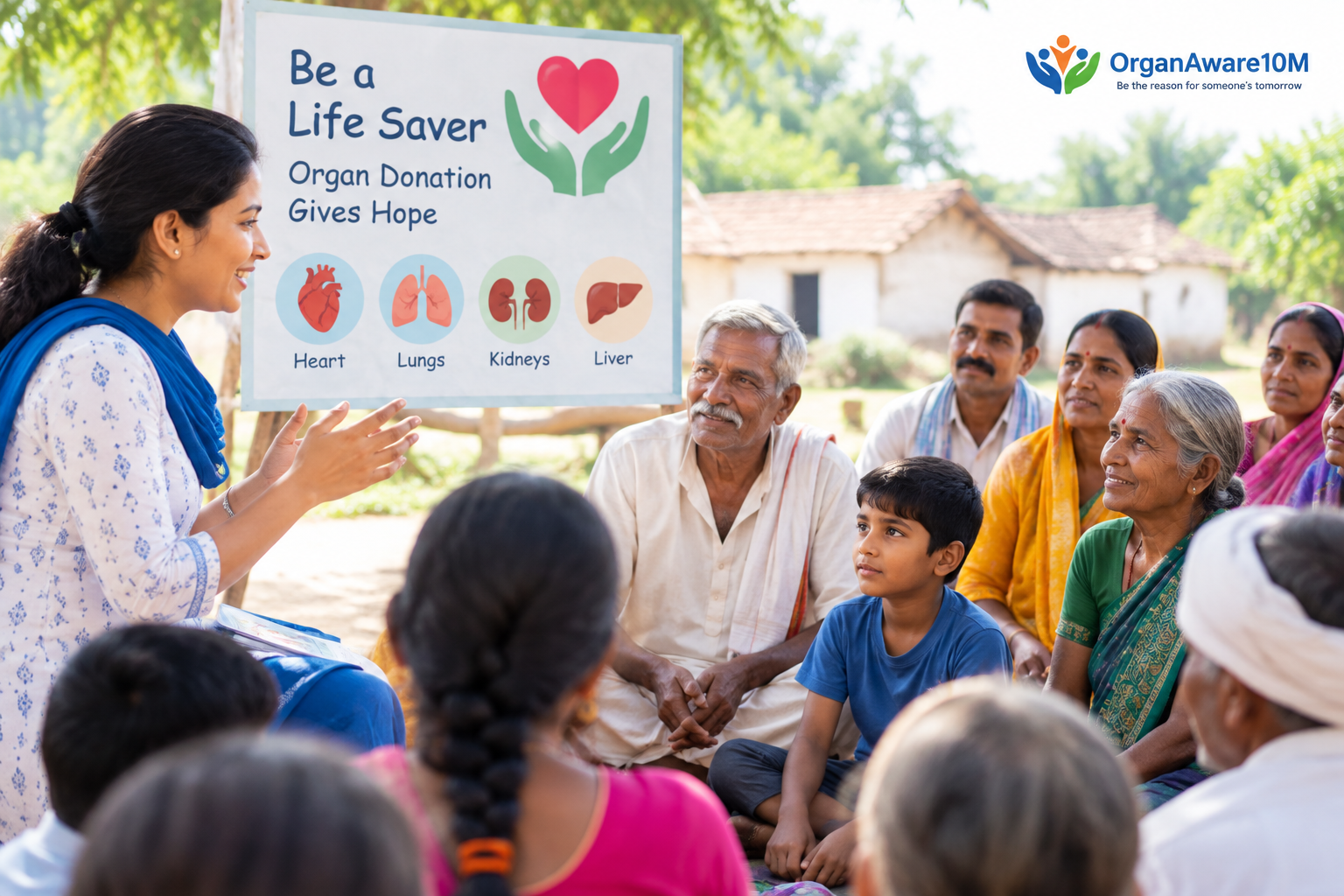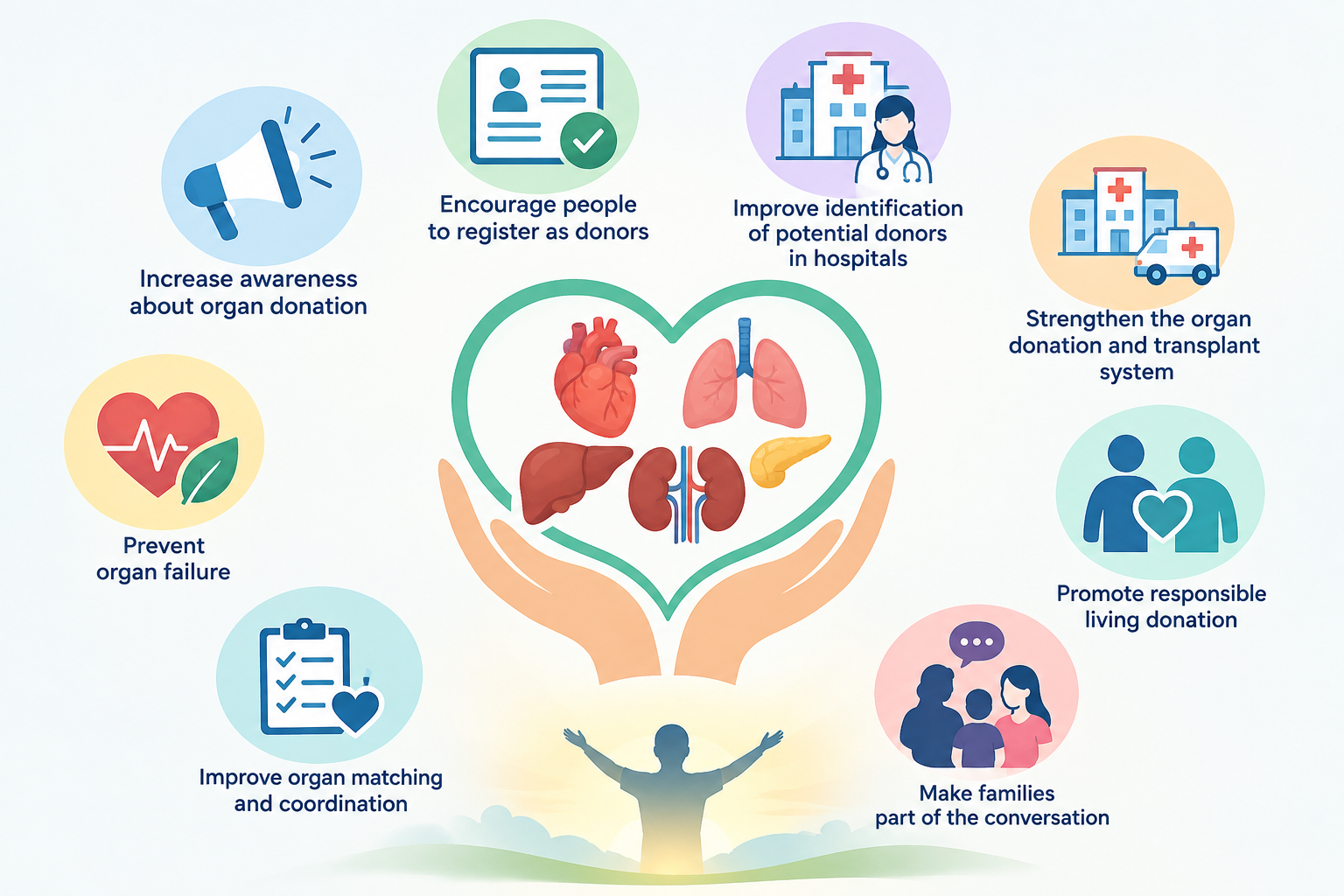

The heart is one of the most precious gifts a person can give through organ donation. Unlike some organs that can be donated while living, the heart can generally be donated only after death. A donated heart can give a person with severe heart failure a chance to live, work, spend time with family, and experience life again.
When Can a Heart Be Donated?
Heart donation is most commonly possible after brain death. Brain death means there is a complete and irreversible loss of all brain function. Although the person has died, machines may temporarily maintain breathing and circulation, allowing the heart to continue beating.
Doctors carefully evaluate the heart, along with the donor’s medical history, age, health and other factors, to determine whether it is suitable for transplantation.
What Happens to the Heart?
Once donation is authorized and the donor is medically suitable, a specialist transplant team carefully removes the heart. It is then transported to the recipient’s hospital and transplanted into a person who has severe heart disease or end-stage heart failure.
Timing is critical. A donated heart generally has a short preservation window of only a few hours, often around 4–6 hours, from recovery to transplantation. This is why organ donation is a race against time involving doctors, transplant coordinators, hospitals, ambulances and, when necessary, air transportation.
Can Someone Donate Their Heart While Alive?
No. A person cannot donate their entire heart while alive because the heart is essential to maintaining circulation and life.
However, living donation is possible for certain other organs and tissues. For example, a healthy person may be able to donate one kidney or part of their liver, subject to strict medical evaluation and applicable laws.
One Heart Can Mean a New Beginning
Heart transplantation is not simply a medical procedure—it can represent a second chance.
For someone whose heart can no longer pump enough blood to support the body, a successful transplant may allow them to return to activities that once seemed impossible: walking without severe breathlessness, spending time with loved ones, returning to work or simply enjoying everyday life.
Behind every donated heart is a person whose life has ended, but whose decision—or that of their family—may help another person continue theirs.
An Important Message
Organ donation reminds us that life can continue through the gift we leave behind. One donor may be able to save or improve several lives through the donation of organs and tissues.
The heart may stop beating for one person, but through transplantation, its gift can give another person the opportunity to keep living.
Donate life. Give hope. Let your legacy live on.